Wednesday, March 4, 2020

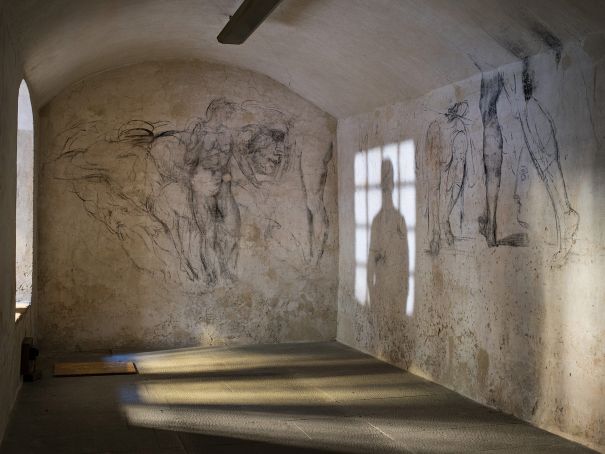
Florence to open Michelangelo's Secret Room

https://www.wantedinrome.com/news/florence-to-open-michelangelos-secret-room.html?fbclid=IwAR2l9wYfQ6KYzvyFTumh1ENQF7wKoL-dfoDeSTbhuxXTNnZ8weEguXJme80


Florence to open Michelangelo's Secret Room


Michelangelo Buonarotti, the Italian High Renaissance master, gifted the world a stunning artistic legacy from the Sistine Chapel frescoes to magnificent sculptures such as the Pietà, David, Moses and Laocoön.
However not many people have heard of his so-called "Secret Room" in Florence, a tiny chamber with sketch-filled walls, which is reportedly set to open to the public in 2020.
During the summer of 1530 Michelangelo went "off-radar" for about three months, with no official trace of the artist's whereabouts on record.
Michelangelo was in fact holed up in a secret chamber, below the Medici Chapels in the Basilica of S. Lorenzo, in hiding from the Medici on their return from exile.

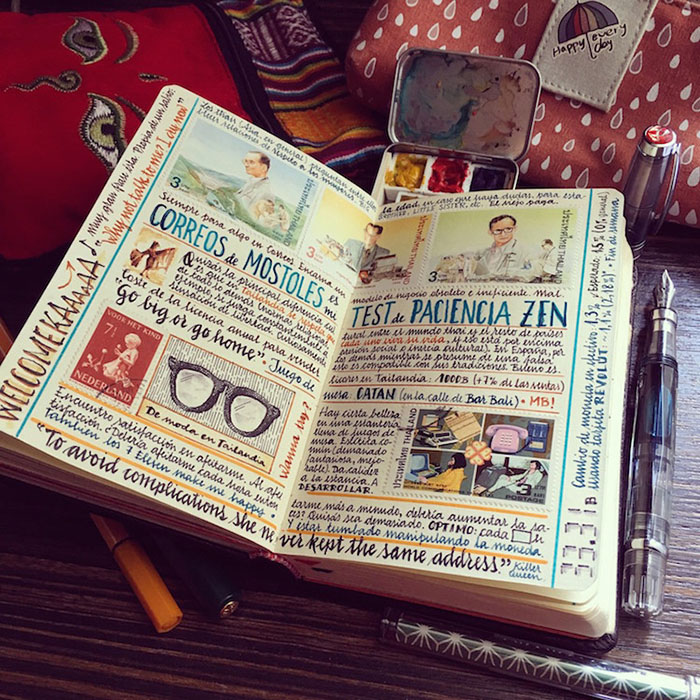
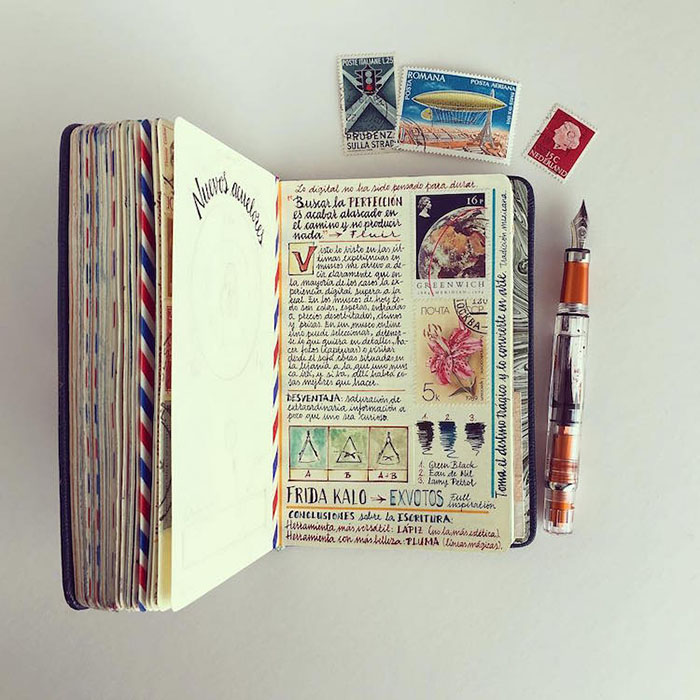
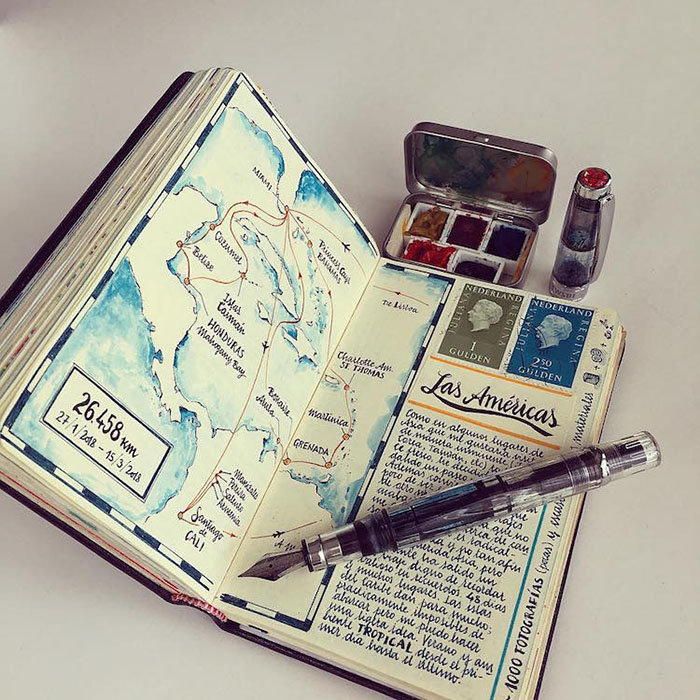
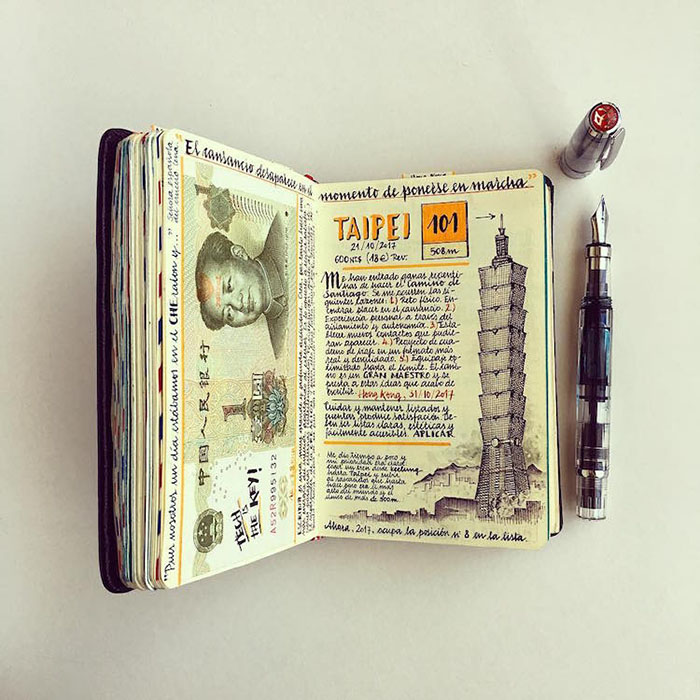
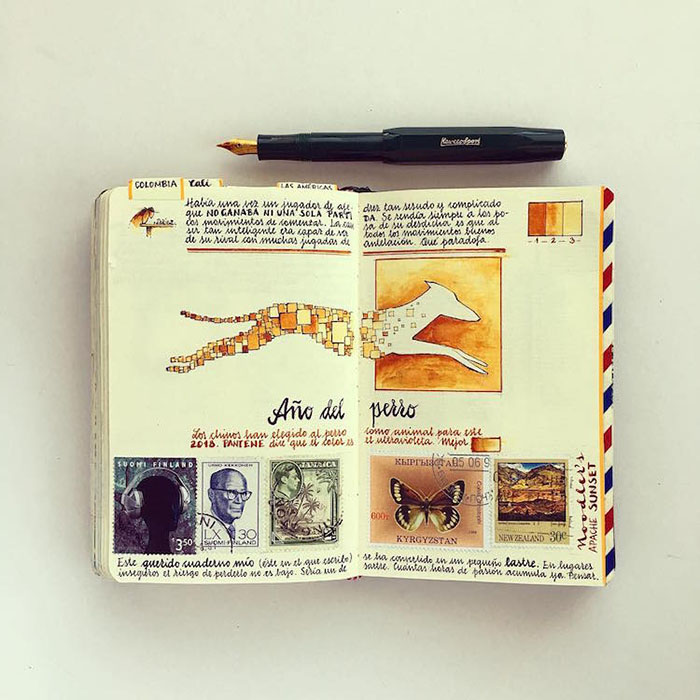
Man Quits His Aeronautical Job, Now Travels The World And Here’s What His Notebook Looks Like

Jose Naranja turns ordinary notebooks into highly detailed works of art. The artist uses watercolors, stamps, writing, elements of photography and drawings to turn each notebook into a one of a kind masterpiece.
Jose has worked as an aeronautic engineer for many years but eventually decided to quit and devote his life to art and travels. The artist developed his passion for notebook art in 2005 when he discovered Moleskine pocket journals. As hard as it may be to believe, Jose is a self-taught artist, but his skills are remarkable. So far the artist has filled in 12 notebooks and recently has begun binding his own, to make his art even more personal.
If you would like to flip through the pages of one of Jose’s unique notebooks, you can buy one in his shop. Check out the artist’s amazing notebook art in the gallery below!
More info: josenaranja h/t


Friday, January 31, 2020

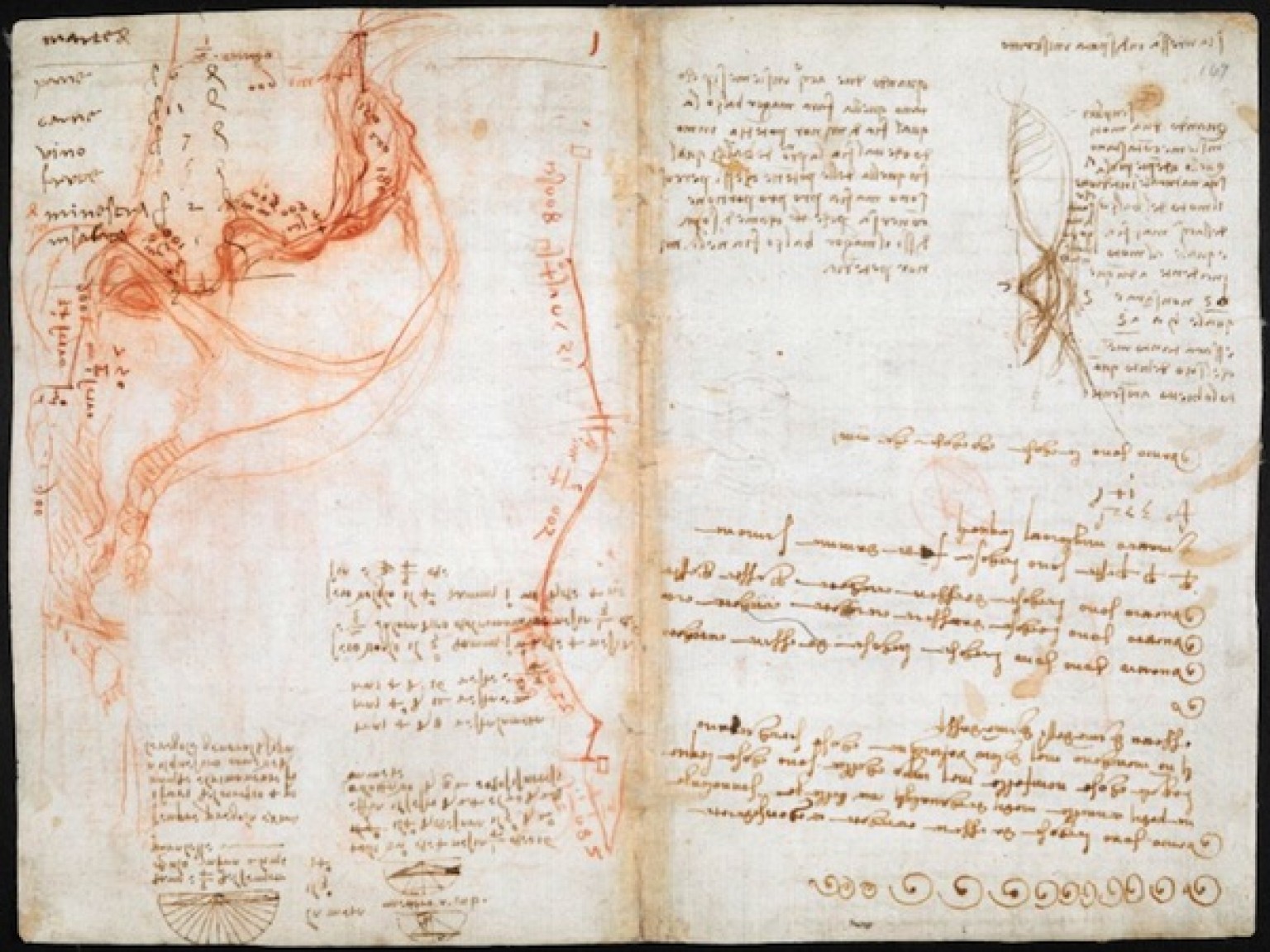
Leonardo da Vinci’s Visionary Notebooks Now Online: Browse 570 Digitized Pages

http://www.openculture.com/2017/07/leonardo-da-vincis-visionary-notebooks-now-online-browse-570-digitized-pages.html?fbclid=IwAR1B_tyHS0s_Mw6_Du_A18IS7Y0sEOQOdw2FVYhL6lYZNEi0QVADb_6ubs4


Okay, I’m sure you know a bit more than that, but unless you’re a Renaissance scholar, you’re certain to find yourself amazed and surprised at how much you didn’t know about the quintessential Renaissance man when you encounter a compilation of his notebooks—Codex Arundel—which has been digitized by the British Library and made available to the public.

Monday, April 15, 2019

Marking the passing of Tony Buzan

Tony Buzan - Mind Map Inventor, Nobel Peace Prize Nominee & Author of over 150 books on mind mapping, memory & creativity died of a heart attack on 13th April 2019. He was 76.


Monday, May 28, 2018

The Mojoptix Sundial

No batteries, no motor, no electronics...

The Mojoptix Sundial displays the time inside its shadow, with actual digits. The shape of the sundial has been mathematically designed to only let through the right sun rays at the right time and angle. This allows to display the actual time with sunlit digits inside the sundial's shadow.


Saturday, March 31, 2018

New Study Links Social Anxiety And Fear Of Being Caught Making Mistakes by Alfredo Carpineti

http://www.iflscience.com/brain/new-study-links-social-anxiety-and-fear-of-being-caught-making-mistakes/

An international team of researchers led by the University of Maryland have looked at the potential root of childhood social anxiety and found that others noticing their mistakes could play a role. The study is published in the Journal of the American Academy of Child & Adolescent Psychiatry
The study gave 107 children aged 12 the flanker task, which tests their ability to focus on information while disregarding distractions. They took the test twice: once when they were told they were being observed by peers and once when they were told they weren’t being observed. The team measured reaction times in both these cases and looked at the children's brain activity using an electroencephalogram.
Based on the children's post-error response times and brain activity, the team found a connection between social anxiety and a fear of making errors when under observation.